
What Role Does Lighting Play in Residential Design?
Lighting is one of the most overlooked yet crucial elements in residential design. It not only illuminates a space but also shapes how we experience every room in our homes. In this FAQ, we’ll explore the various roles lighting plays in residential design and offer some tips on how to use it effectively for a more inviting and functional living environment.
Understanding the Basics of Lighting
To use lighting effectively, it’s essential to understand the three main types: ambient, task, and accent lighting. Ambient lighting provides overall illumination, task lighting targets specific activities, and accent lighting highlights features in a room. Each type serves a distinct purpose in residential design.
Ambient lighting is akin to a room’s foundation. Think of it as the paint on the walls or the flooring beneath your feet. It provides a gentle glow that blankets every inch of a room, ensuring everything in the space is visible and inviting. In residential design, the right ambient lighting can make even the smallest spaces feel open and welcoming.
Task lighting is the focused and functional partner in the lighting world. It’s the bright light that helps you chop vegetables safely in the kitchen or read a book comfortably in your favorite chair. By illuminating specific areas where tasks occur, task lighting enhances efficiency and ensures you have ample light to perform activities safely and effectively.
Accent lighting is where creativity comes alive. Imagine a beautiful sculpture or a vibrant painting suddenly becoming the focal point of a room. With the right use of accent lighting, you add layers of interest and drama to spaces—orchestrating how the eye moves across your room and what it should notice.
Enhancing Mood and Aesthetics
Lighting affects the atmosphere of a room and can enhance its design aesthetics. Warm lighting can create a cozy and inviting feel, while cooler lighting might be more suitable for modern and minimalist styles. By choosing the right color temperature, you can set the desired mood for any space.
The mood of a room can be dramatically transformed by selecting the right lighting. For instance, dimmable lights allow for flexibility—bright for a lively family gathering or soft and gentle for an intimate dinner. The control this offers in setting the scene is powerful and underlies the essence of thoughtful interior design.
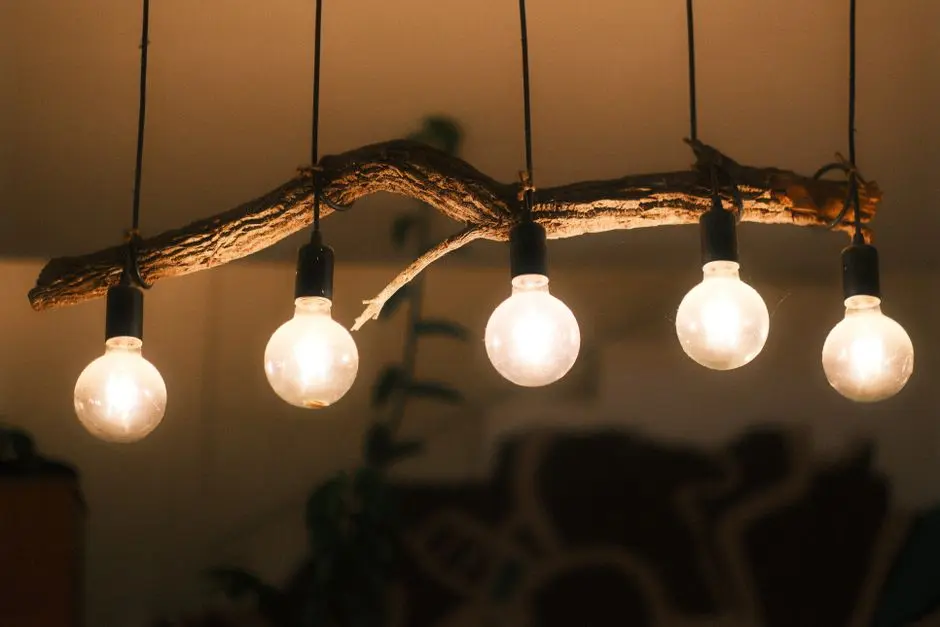
Aesthetically, fixtures play as much of a role as the light they emit. From contemporary to industrial or rustic styles, light fixtures contribute to a room’s design narrative. A statement chandelier or minimalist pendant can act as art pieces, adding unique characteristics to the overall aesthetics and mood of the home.
Ultimately, understanding how to mold lighting to fit your aesthetic needs combines artistry with science. It involves playing with light intensity, direction, and fixture design, all while mindful of how these elements interact with colors and textures in each room.
Improving Functionality and Safety
Proper lighting improves the functionality of a home by making tasks easier and reducing the risk of accidents. For example, under-cabinet lighting in a kitchen can help with meal preparations, while motion-sensor lights outside can enhance security. Always consider the functional needs when planning your lighting layout.
Functionality in lighting is all about utility. Well-lit hallways, staircases, and entrances prevent mishaps by ensuring important pathways are visible at all times, especially during late hours or in low-light conditions. This attention to detail aids in navigating the home with confidence and ease.
Safety and security are priorities that extend outdoors. Installing motion-sensor lights deters intruders while also welcoming guests safely during nighttime arrivals. Such lighting solutions exemplify how functional designs can seamlessly pair with security needs in our homes.
Highlighting Architectural Features
Accent lighting is key to highlighting architectural features like fireplaces, alcoves, or artwork, drawing attention to the unique elements of your home. Use spotlights or track lighting to focus on these areas, elevating the overall design without overwhelming the space.
Consider placing small LED lights in shelving or along staircases. These can create a striking visual path in a dim room, leading the eye along the architecture organically. Subtle lighting tricks such as this enhance the structural elegance without overpowering the natural beauty of the home’s features.
Choosing Energy-Efficient Lighting Options
Opt for energy-efficient options like LED bulbs, which consume less electricity and last longer. These options not only help in reducing your energy bills but also minimize the environmental impact. Look for bulbs with the Energy Star label for energy-saving assurance.
Energy-efficient lighting is an evolving field with vast payoffs for both your wallet and the planet. Embracing sustainable lighting solutions can result in significant long-term savings—further incentivizing the switch from traditional bulbs to more eco-friendly options.
Bringing It All Together with Thoughtful Lighting
Lighting is more than just a practical necessity in our homes. It’s a powerful tool that can make spaces feel more welcoming, enhance our mood, and even improve our daily lives. By understanding its different roles and choosing the right types of lighting, you can transform any room into a comfortable and beautiful space. Visit our homepage to learn more about creating your perfect living space.